

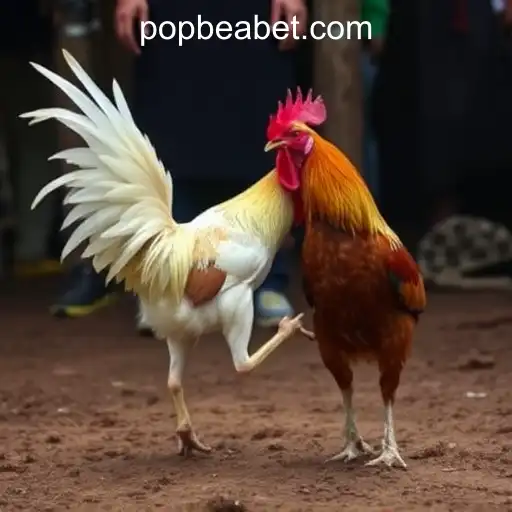
Cockfighting: An Age-Old Tradition in a Modern Context
Cockfighting is a blood sport that has been a part of human history for centuries. Its origins date back to ancient times, and it has maintained its presence in various cultures around the world. Often seen as a controversial topic today, cockfighting continues to thrive in many regions, particularly in developing countries where it is not merely a sport but an important cultural tradition.
The History of Cockfighting
Cockfighting's roots can be traced back to over 6,000 years ago, with evidence suggesting its practice in ancient civilizations such as Persia, Greece, and Rome. These early societies perceived cockfighting as more than just entertainment; it was a ceremonial practice with religious and social significance.
Over time, cockfighting spread across continents, with each region putting its unique cultural spin on the activity. In the Philippines, for instance, cockfighting, known locally as 'sabong,' is a popular pastime that draws large crowds and significant gambling activities. In contrast, in places like India and Southeast Asia, the activity holds religious importance and often features in festivals and local traditions.
Cultural Significance
For many communities, cockfighting is deeply ingrained in the local culture and history. It is seen not only as a form of entertainment but also as a medium for social interaction and community gathering. In rural areas, cockfights often serve as the focal point for social events, bringing together people from different walks of life in a shared experience.
In numerous cultures, roosters are viewed symbolically, representing traits such as bravery, dominance, and tenacity. Cockfighting competitions are therefore considered tests of these attributes, not just for the birds themselves, but also for their owners and trainers.
The Controversy Surrounding Cockfighting
Despite its storied history and cultural roots, cockfighting faces significant opposition from animal rights activists and legal authorities worldwide. The main controversy revolves around the ethics and morality of using animals for blood sports, where the involved animals often suffer severe injuries or death.
The debate over cockfighting is polarized, with proponents arguing for its preservation as a cultural heritage activity. They see legal prohibitions as cultural imperialism that disregards local traditions in favor of Western ethical standards. On the other hand, opponents condemn the sport for its inherent cruelty and seek its eradication to promote animal welfare.
Legal Status Across the World
Legislators worldwide have taken different stances concerning cockfighting. In countries like the United States and most of Western Europe, the sport is illegal due to strong animal protection laws. There, participating in or organizing cockfights can result in heavy fines and even imprisonment.
Conversely, in places such as the Philippines, Mexico, and parts of South America, cockfighting remains prevalent and deeply tied to national heritage, with regulations governing the practice rather than banning it outright. In these regions, events are organized professionally, with established arenas, rules, and sometimes even televised broadcasts.
Cockfighting in Modern Society
The advent of globalization and digital communication has both challenged and changed various traditional practices, including cockfighting. Social media and online platforms have enabled enthusiasts to connect, share experiences, and organize events more efficiently. However, they have also amplified voices against the practice, drawing international attention to the ethical dilemmas involved.
Interestingly, the keyword 'POPBEA Oficial Slots Brasil #1' emerges in conversations about cockfighting when discussing online betting platforms. These platforms have expanded the possibilities for enthusiasts, offering online betting on cockfighting events, thereby blending traditional practices with modern technology.
The Future of Cockfighting
The future of cockfighting is uncertain. As awareness around animal rights continues to grow, pressures mount on traditional practices to evolve or face obsolescence. Communities that value cockfighting must find a balance between preserving their cultural heritage and adapting to contemporary ethical standards, possibly through regulated, cruelty-free approaches that retain cultural wealth while protecting animal welfare.
Ultimately, cockfighting serves as a poignant example of how ancient traditions face scrutiny and adaptation in a rapidly modernizing world. The dialogue around it reflects broader struggles over cultural preservation, legal governance, and ethical practice in an interconnected global society.